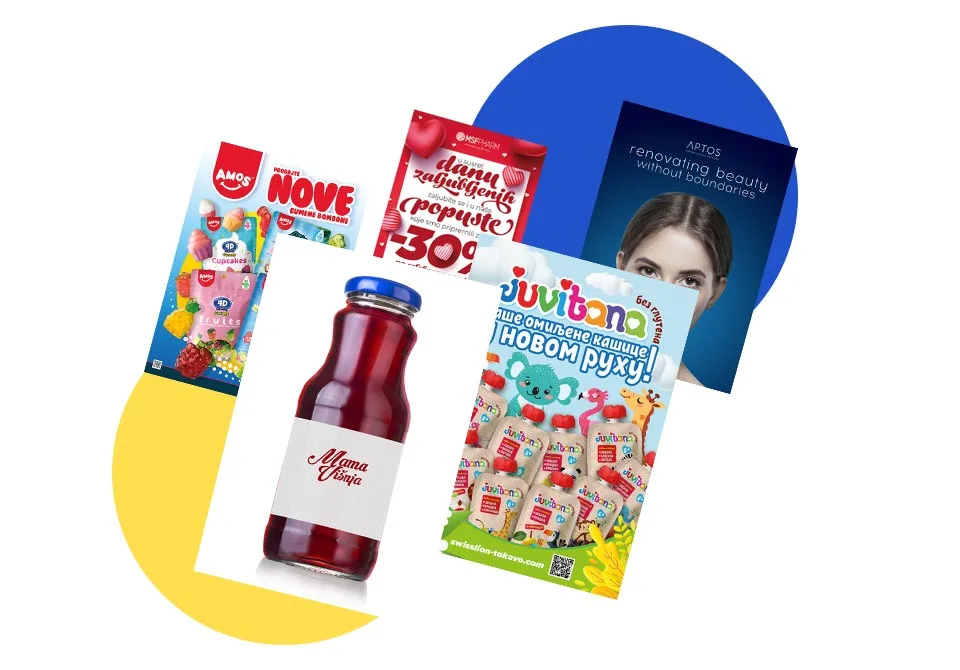
dizajn plakata

Poster Design

Poster design is a crucial component of every marketing campaign and can have a significant impact on the success of your business. There are many different types of posters you can use to promote your brand or product — including informational posters, digital posters, cultural and artistic promotions, social media visuals, and many more.

The best way to determine which poster format is most suitable for your needs is to consider the message you want to communicate. For example, if you’re promoting a new product launch or an upcoming event, it’s essential that the poster is clear, striking, and instantly memorable.

Why Does a Good Poster Matter?

A well-designed poster captures attention at a glance and communicates the intended message immediately. Throughout history, posters have served as powerful tools in cultural industries, communication, and commercial advertising. They reflect different aspects of society and social interaction — and they can appear anywhere, in any environment.

As the modern world becomes increasingly saturated with lights, signs, billboards, and flyers, creating dynamic posters that stand out in this visual overload has become more challenging. That is why strong poster design demands a powerful visual concept that relies on minimal or even no text.
Clear communication and a well-structured visual hierarchy remain the key elements that ensure the poster connects with the viewer and leaves a lasting impression.

graficki dizajn plakata
dizajn plakat

Graphic Poster Design

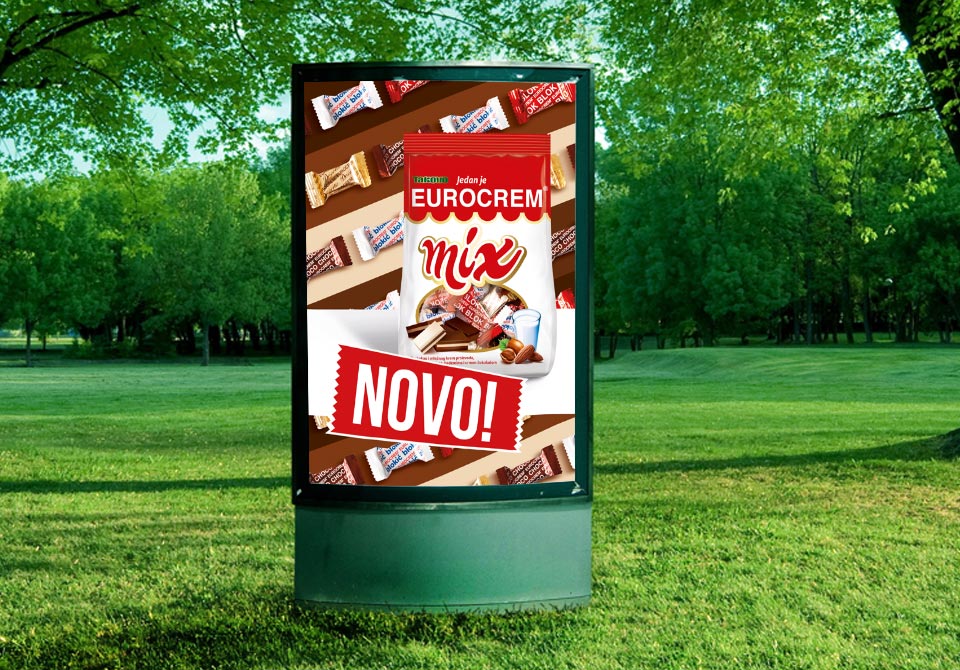
When designing a poster, one of the key considerations is where it will be displayed. Will it be mounted on a building, brightly illuminated, surrounded by numerous other posters in a high-traffic area, or folded and delivered by mail?
You must determine whether viewers will have the time to stop and observe the poster, or if the design needs to capture attention and communicate the message within just a few seconds through a strong, simplified composition. Each scenario requires a different design strategy in order to achieve the best results.

Large-format posters are particularly effective at capturing attention. The only limitations are the installation location, the physical dimensions supported by the printing press, and the client’s budget.


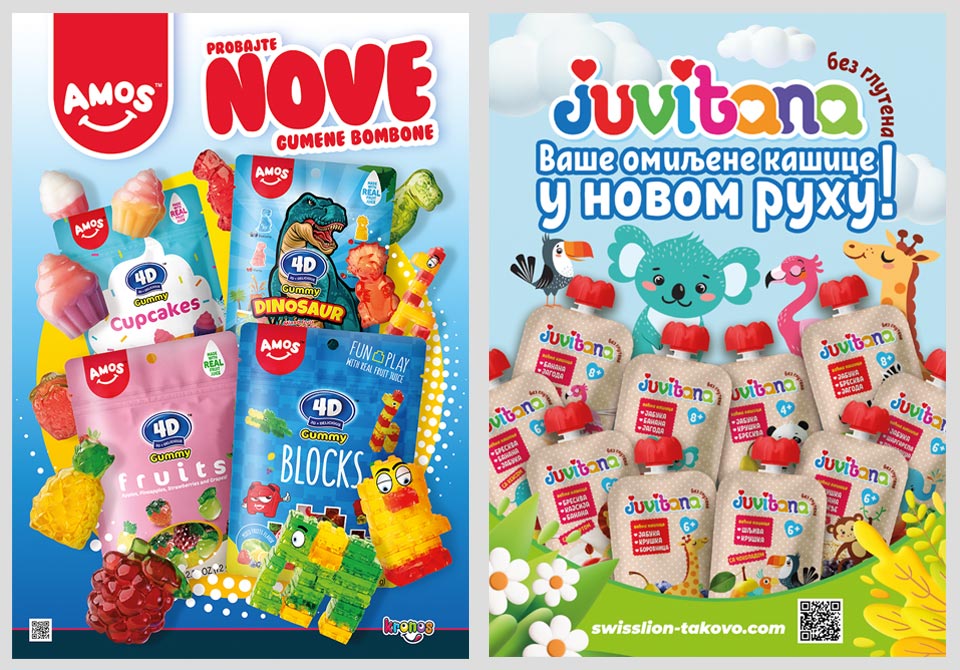
plakat dizajn

The Importance of Posters for a Brand

Poster design is a key element in building brand recognition and establishing a strong marketing presence. With their visual impact, posters have the power to capture attention, communicate a message, and leave a lasting impression on the target audience.

High-quality poster design goes beyond aesthetics—it conveys the essence of the brand, communicates its story and values, and reflects the company’s identity while creating an emotional connection with consumers. This is why investing in professional poster design is an investment in brand perception that can be crucial for long-term success.

Posters are a powerful marketing tool that reaches a wide audience across various locations. Their effectiveness lies in the ability to attract attention quickly, make a strong visual impact, and encourage action. A well-designed poster is not only visually appealing but also strategically crafted to resonate with the target group and deliver the desired message.

In conclusion, the importance of high-quality poster design for branding and marketing strategy is undeniable. Posters serve as a strong communication channel that can transform how consumers perceive a brand, creating a meaningful and lasting connection between the brand and its audience.

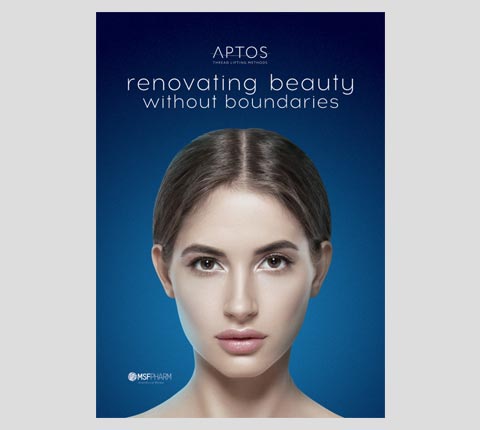
dizajn postera

10 Tips for Effective Poster Design

Ten essential tips that will help your poster design become truly impactful and memorable:

1. Clear Message
Define the poster’s key message and present it in a clear and recognizable way. Less is more — a simple, direct message leaves a stronger impression.

2. Visual Hierarchy
Carefully consider the arrangement of elements. The most important information should be the most prominent, with supporting details placed according to their hierarchy of relevance.

3. Balance Between Text and Graphics
Use text and visuals in a way that complements one another. The right combination of both elements can create a powerful and memorable design.

4. Color Palette
Choose a color palette that reflects the brand’s identity while also grabbing attention. Colors evoke emotions and can be crucial for setting the desired mood.

5. Typography
Select fonts that are both readable and visually appropriate. Playing with font styles and sizes can highlight key messages and add dynamism to the design.

6. Originality
Explore creative ideas and avoid clichés. An original poster design is more likely to attract attention and remain memorable.

7. Proper Use of Space
Maintain balance between filled and empty areas. Strategic use of negative space can amplify the visual effect and emphasize key design elements.

8. Target Audience
Think about the audience you are addressing. Design the poster in a way that captures their attention and inspires them to take the desired action.

9. Design Testing
Before finalizing the poster, test it with a small sample of your target audience. Feedback can offer valuable insights into the design’s effectiveness.

10. Brand Alignment
Ensure the poster clearly reflects the brand’s identity. Incorporating brand elements such as the logo, color palette, and graphic style enhances brand recognition.